The right capability.For the right person.At the right time.
Build relevant AI capability across the organisation without automatically giving every employee exactly the same training.
TALISENCE combines profession-specific learning with a model that evolves step by step towards individual capability mapping and more personal learning paths.
One capability architecture. Multiple markets. The platform is built for organisations working across languages, professional roles and local capability requirements.

Everyone needs to develop.
But not everyone needs to learn the same thing.
In traditional corporate training a whole group often receives the same content. But two people with the same job title can have completely different starting points.
The result is usually unnecessary repetition for some and too little depth for others.
Two people with the same job title can have
- different experience
- different tasks
- different AI habits
- different capability gaps
- different development needs
Capability development becomes more relevant when it starts from what people actually need to develop.
Same team.
Different needs.

HR TEAM
Illustrative exampleANNA
HR manager
Already strong in
- AI foundations
- Prompting
- Document work
Needs to develop
- Workflows
- Analysis
- Advanced application
Personal learning need
Narrow / targeted
KALLE
HR business partner
Already strong in
- HR processes
- Communication
Needs to develop
- AI foundations
- Prompting
- Analysis
- Workflows
Personal learning need
Broader
SARA
HR specialist
Already strong in
- AI foundations
- Documents
- Analysis
Needs to develop
- Advanced workflows
- Quality review
Personal learning need
Deepening
The same profession does not have to mean the same learning path.
What does the organisation actually need to learn?
TALISENCE is being developed to map capability needs at individual, team and organisational level.
The purpose is to help you answer:
- What do we already know?
- Where are our most important capability gaps?
- Which groups need to develop?
- What do different people actually need to learn?
- Where should the organisation prioritise its capability development?
From capability need to relevant learning.
- MAP THE NEED
- IDENTIFY GAPS
- TARGET THE LEARNING
- BUILD CAPABILITY
- FOLLOW DEVELOPMENT
The goal is for every employee to spend their learning time where it makes the biggest difference.
See the whole without losing the individual.
THE ORGANISATION'S CAPABILITY PICTURE
HR
StrongStrengths
- AI foundations
- Communication
Development areas
- Workflows
- Analysis
FINANCE
DevelopingStrengths
- Documents
- Data
Development areas
- Advanced AI application
- Automation
LEADERSHIP
Priority areaStrengths
- AI understanding
Development areas
- Decision support
- Governance
See the capability your organisation has — and what needs to be developed.
TALI gives authorized organisations one connected view of capability, gaps, development priorities and currency at individual, team and organisational level.
- What capability does the organisation have today?
- Where are the critical gaps?
- Which teams need to develop?
- Which capabilities should be prioritised?
- What is verified?
- What needs to be kept current?
- How can development efforts be targeted better?
Selected views
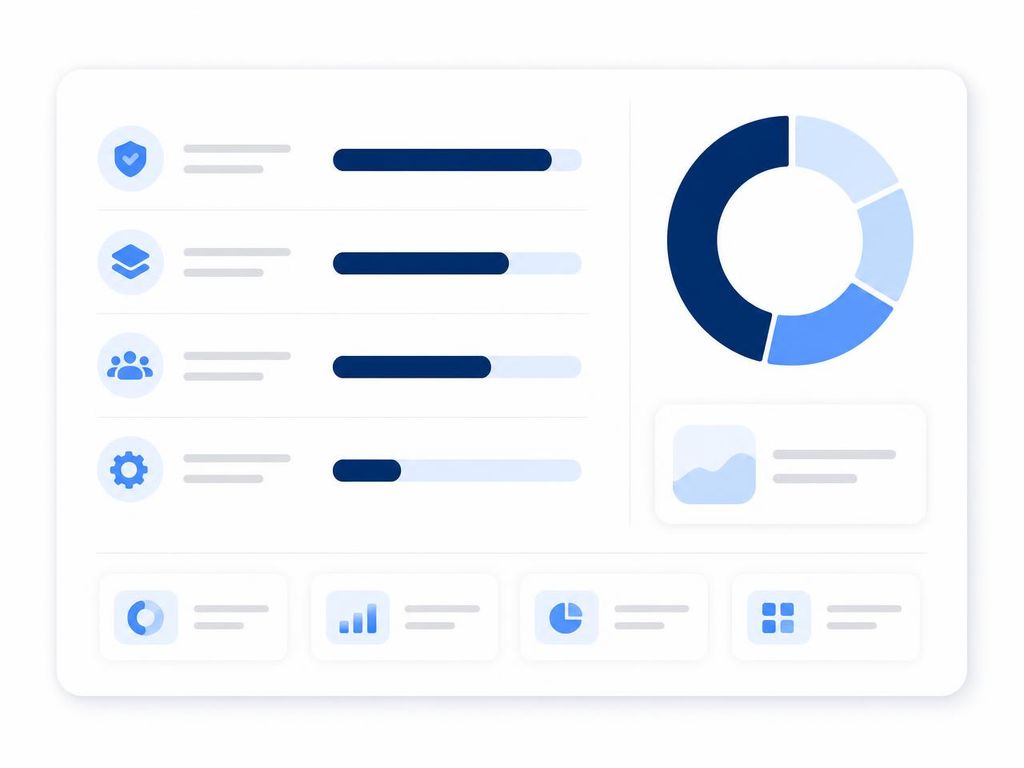
Organizational capability
Overall coverage, gaps and development priorities across functions.
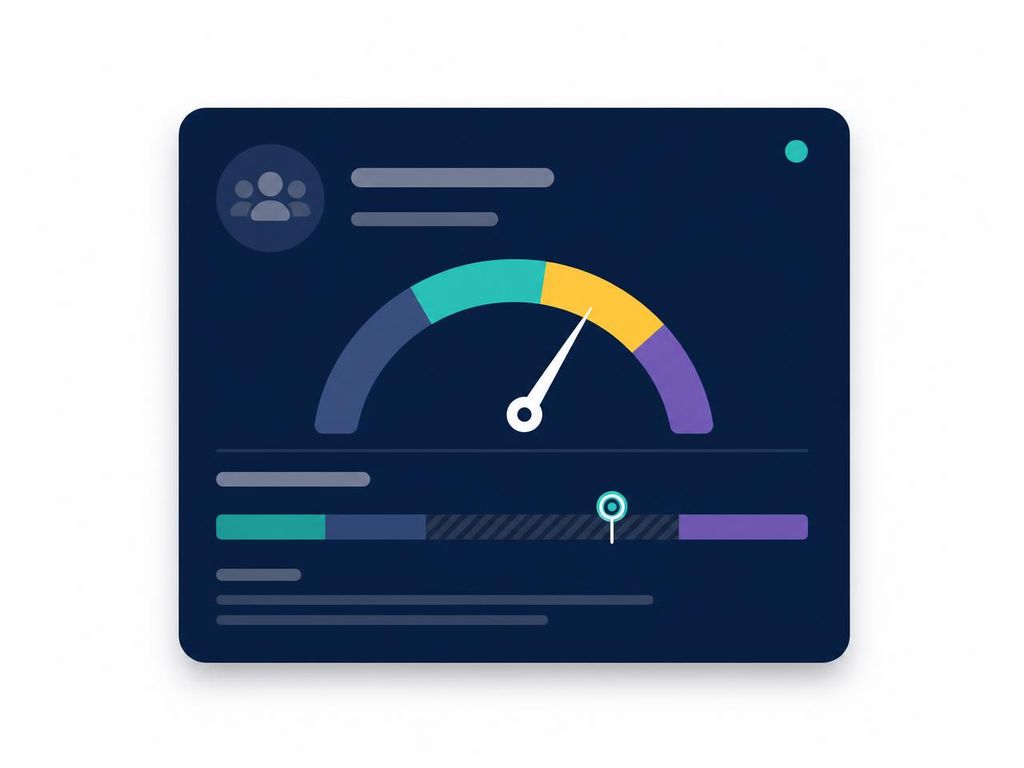
Team capability
Aggregated capability for one team with gaps, development focus and freshness.
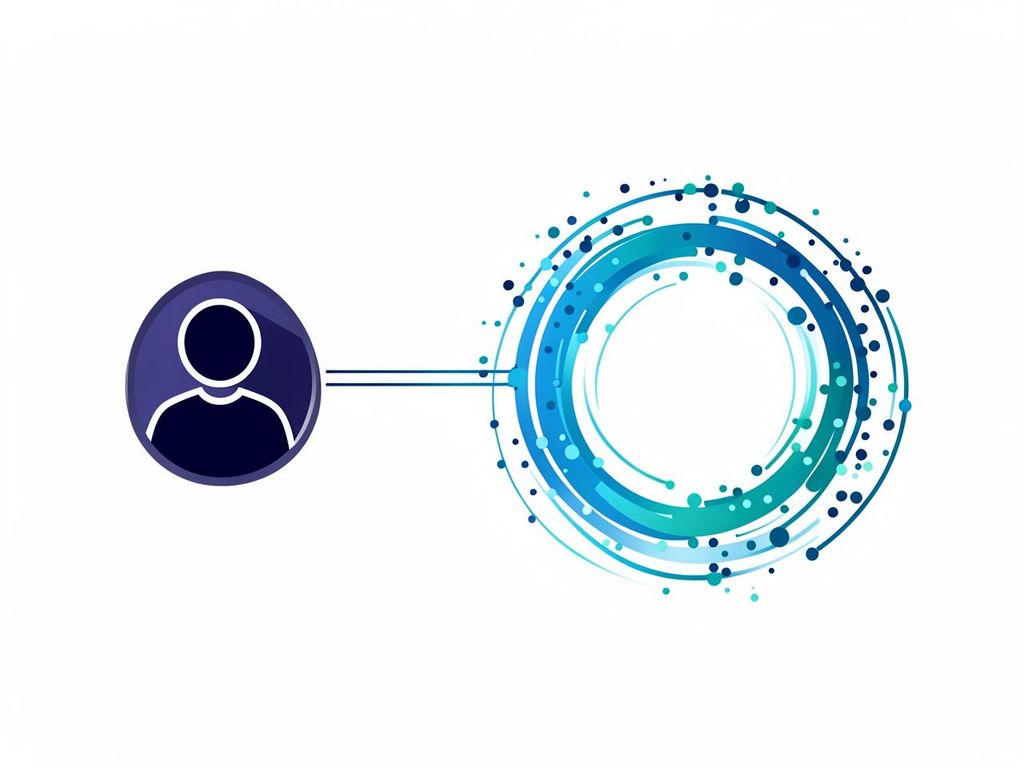
Individual → organization
How one person's capability contributes to the aggregated organizational picture.


These visuals are made for marketing and show synthetic examples, never customer data.
Capability intelligence — not employee surveillance
TALI is not a surveillance system. Managers only see work-relevant information they legitimately need and are authorized to see.
Controlled access
TALI is available to authorized organisations after verification of organisation and role. To see the product, book a presentation.
See how TALISENCE can be used to map, develop and keep your organisation's capability current.
“For the first time we could see which capabilities our finance team actually had — and which were missing. Development became targeted instead of generic.”
Practical value
What could AI free up in the organisation's working day?
Relevant AI capability can reduce the time spent on recurring work across several professional functions — and free up more time for the work where professional judgement is needed. The potential looks different in different roles.
- Document and source material work
- Analysis and reporting
- Communication and information
- Meeting preparation and follow-up
What does it mean for the business?
MORE RELEVANT LEARNING
Employees focus on capability that is relevant to their role and development need.
LESS UNNECESSARY REPETITION
Less time is spent on what a person already knows.
CLEARER PRIORITIES
The organisation gets a better basis for where capability development should focus.
PROFESSION-SPECIFIC
Learning starts from real professional roles and real tasks.
CONTINUOUS RELEVANCE
TALISENCE is built so learning stays current as working life changes.
One platform.
Several parts of the organisation.
- FinanceComing soon
- HR & PeopleAvailable
- SalesComing soon
- Project management & PMOComing soon
- Marketing & CommunicationsComing soon
- Legal & ComplianceComing soon
- Procurement & Supply ChainComing soon
- Management & LeadershipComing soon
- Customer OperationsComing soon
- IT, Tech & DigitalComing soon
- Administration & Business SupportComing soon
- Design, Media & CreativeComing soon
The TALISENCE range is built profession by profession and can grow with the organisation's needs.
Every employee develops where the need is.
An organisation can identify a broad capability need. But the learning itself still has to be relevant for the individual employee.
- ORGANISATIONAL GOALS
- CAPABILITY NEEDS OF THE ROLE
- THE INDIVIDUAL'S DEVELOPMENT NEED
- RELEVANT LEARNING
The organisation sees the whole. The employee gets a relevant way forward.
Personal mapping and adaptive learning paths are introduced step by step.
From completed training to real development.
LEARN
Build relevant knowledge.
APPLY
Put it to work.
PROVE
Follow and verify development where it is relevant.
EVOLVE
Keep the capability current.
For the organisation, TALISENCE is not about how many courses have been completed — it is about building relevant professional capability over time.
A capability plan should not be outdated the day after it is finished.
AI, tools and ways of working keep changing. That is why TALISENCE is built to keep learning current over time.
The organisation should not have to start over with a brand new training initiative every time working life changes.
Develop.Apply.Stay current.
Three situations we often meet.
When the whole organisation needs to raise its AI capability.
The organisation knows AI will affect several functions — but different roles need different capability.
- HR gets HR-relevant learning.
- Finance gets finance-relevant learning.
- Managers get leadership-relevant learning.
- Marketing gets marketing-relevant learning.
Same technology. Different professional needs.
When people have come different distances already.
Some employees already use AI daily. Others have barely started. A standard introduction course risks being too basic for some and too thin for others.
- Develop capability from where the person actually is.
- Personal adaptation is introduced step by step.
The right starting point makes learning time more valuable.
When leadership needs a clearer picture.
The organisation has run training but still does not know what people can actually do, where the gaps are, or what should be prioritised next.
- A clearer capability picture.
- Visible development needs.
- A basis for priorities.
- Progression over time.
TALISENCE is being developed to give the organisation a clearer capability picture.
How TALISENCE can be used in the organisation.
1
CAPABILITY MAPPING
Understand the need.
2
PROFESSION-SPECIFIC LEARNING
Build the right capability.
3
CONTINUOUS DEVELOPMENT
Keep capability relevant over time.
TALISENCE for companies.
The company solution is adapted to the size and needs of the organisation. We start from your goals, roles and development needs.
Pricing for the company solution is set in dialogue — no fixed packages are published here.
Possible parts of a setup
- company licences
- profession-specific learning
- capability mapping
- organisation overview as the functionality becomes available
- support during introduction and rollout
A clear path from need to development.
01
UNDERSTAND THE NEED
We start with the organisation's goals, roles and development needs.
02
CHOOSE THE SCOPE
Identify which parts of the organisation should start.
03
START THE LEARNING
Employees get access to relevant profession-specific learning.
04
FOLLOW DEVELOPMENT
The organisation gradually gets a clearer picture of development and needs.
05
STAY CURRENT
TALISENCE stays relevant as capability needs change.
Start where the need is greatest.
An organisation does not have to start everywhere at once. TALISENCE can be introduced in one function, one team or a selected group and then scaled further.
- HR team
- Finance function
- Leadership team
- Marketing team
- Cross-functional pilot
Why TALISENCE?
TRADITIONAL MODEL
- The same course for many
- Course completion as the main measure
- A one-off training initiative
- Generic content
TALISENCE
- Profession-specific learning
- More individual learning introduced step by step
- Focus on relevant development
- Built for continuous relevance
A comparison in principle between two models for capability development.
Questions from organisations.
Can we start with a smaller group?
Yes. Many organisations start with one team, one function or a selected group and scale from there.
Can different roles get different learning?
Yes. TALISENCE builds learning profession by profession, so HR, finance, leadership and marketing can get content based on each role.
Does everyone have to take the same content?
No. The starting point is that learning should be relevant to the role. More individual adaptation is introduced step by step.
How does personal adaptation work?
Today the learning is profession-specific. Personal mapping and adaptive learning paths are introduced step by step and become available over time.
Can we get a picture of the organisation's capability?
TALISENCE is being developed to give a combined capability picture at individual, team and organisational level. The organisation view is under development and becomes available step by step.
Is the learning kept up to date?
Yes. TALISENCE is built so learning stays current and quality assured over time as working life changes.
Can TALISENCE be used internationally?
TALISENCE is built with international expansion in mind. As new markets are established, learning is adapted to the local profession and market.
How is TALISENCE priced for companies?
The company solution is priced based on the scope and needs of the organisation. Contact TALISENCE for a conversation.
One platform.
Multiple languages and markets.
TALISENCE is an international platform for professional capability, multilingual from the start and built for organizations operating across countries and roles.
The same product architecture applies across every language and market. Learning is created for the local profession and market — not delivered as a word-for-word translation.
Two questions. One mapping.
For the individual
What do I need to develop?
The employee sees which capabilities the role requires, what they already master and which gaps give the greatest effect.
For the organisation
Where are our capability gaps?
Over time, individual mappings can give a coherent view of capability across teams and functions.
- 1Individual Capability Check
- 2Mapping per team and function
- 3One view of the organisation
Organisational views and aggregated capability intelligence require TALISENCE Core. BACKEND REQUIRED – THOMAS.
Frequently asked questions
How does an organisation get an overview of its capability?
The organisation sees capability by role, team and capability area, including gaps and development over time, instead of only completed courses. That gives a basis for staffing, development and risk.
What is the difference between verified capability and completed training?
Completed training shows that someone attended. Verified capability shows that the person can actually perform the work, assessed from applied work, and when that verification was last valid.
How is capability kept current?
When ways of working, tools or regulations change, the requirements of the profession are updated, and the people holding the affected capability receive updated learning and re-verification instead of starting over.
Trusted by professionals & organizations
- Nordvik IndustriEnterprise customer
- Lumen HealthCustomer
- Atlas LogisticsCustomer
- Verda EnergyEnterprise customer
- Kestrel AdvisoryPartner
- Polaris InstituteEducation partner
- Savant Retail GroupCustomer
- Meridian Public ServicesCustomer
- Arcline SoftwareStrategic partner
- Hanseat LegalCustomer
Experiences from organisations and professionals
“For the first time we could see which capabilities our finance team actually had — and which were missing. Development became targeted instead of generic.”
“Capability Check gave us a shared language for competence. We now discuss proven capability, not completed courses.”
Which capability does your organisation need next?
Talk to us about how TALISENCE can be used to build relevant AI capability in your business.
Vill ni veta vad TALISENCE kan göra för er organisation?
Lämna dina uppgifter så kontaktar vi dig och berättar mer.